01 · At home
The clinic comes home.
A visit that once meant a long, hard trip now happens at the kitchen table.
A medical tricorder, made real.
A hospital's monitoring cart, temperature, ECG, oxygen, lung function and more, captured in under a minute from a single device in the hand.
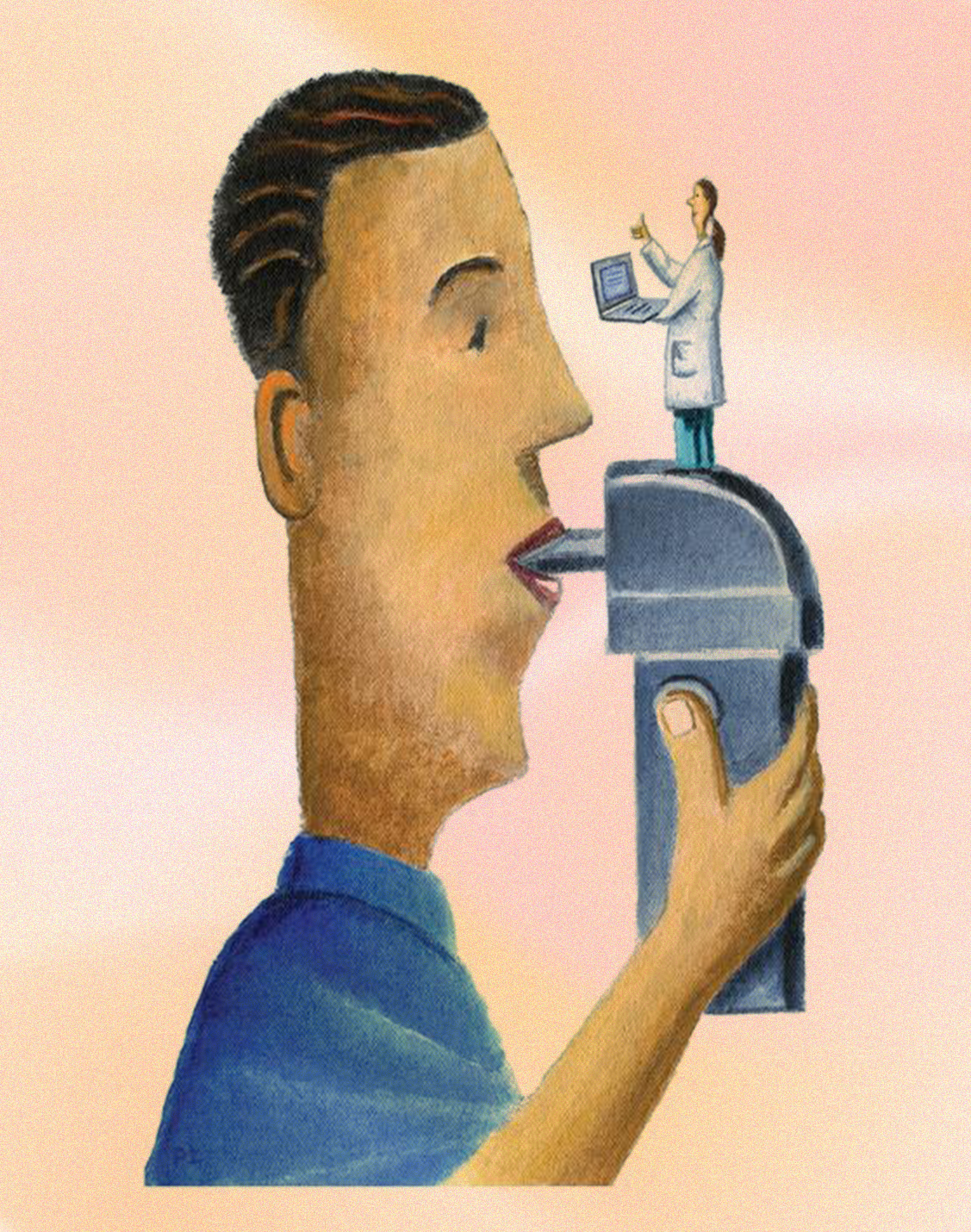
Core-trend body temperature, read at the mouthpiece.
Sixty seconds, in two parts. Thirty seconds breathing normally, then two guided forceful exhales. Ten or more clinical parameters, captured and on their way to your care team.
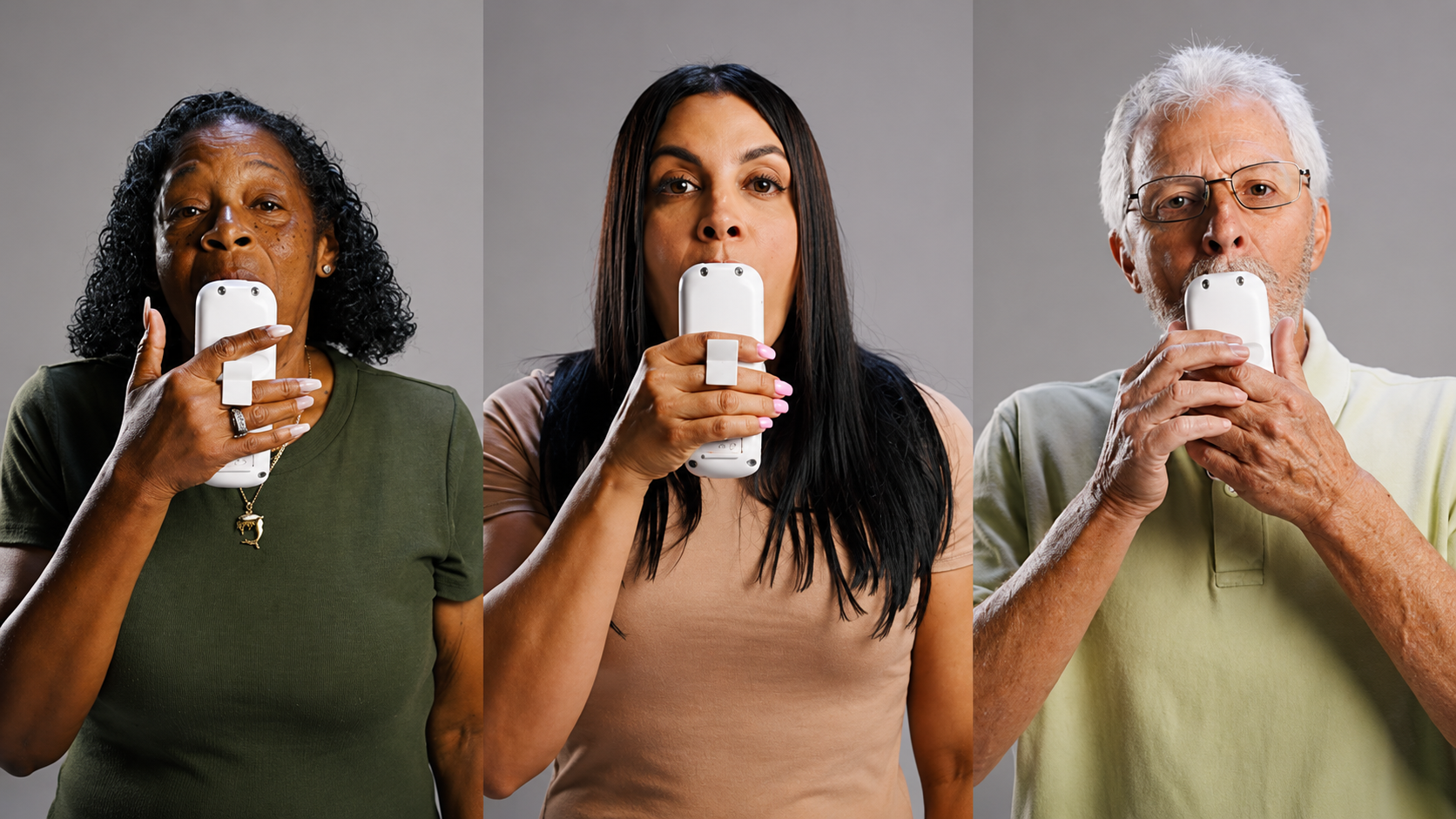
Seal your lips around the mouthpiece and rest your thumb on the sensor. No cuff, no clips, no wires.
The passive half. Temperature, ECG, oxygen and the full cardiac picture, all read while you simply breathe.
One deep breath in, then a fast forceful exhale. This is the lung function test, graded to the spirometry standard.
A second deep inhale and hard exhale. Two efforts confirm the reading, the way a clinic repeats spirometry for reliability.
The full reading, ten or more clinical parameters, complete and syncing to your care team the moment it finishes.
When every vital is captured in the same breath, the numbers can finally be read against each other.
A single vital is a noun. The relationship between two simultaneous vitals is a verb, and the verbs are where early warning lives.
Five signals, one shared timeline. Hover or tap a metric below to trace it back to its signals.
Different devices, different minutes. Nothing lines up, so nothing can be compared.
One clock, one instant. The relationships appear.
Pulse transit time, respiratory sinus arrhythmia, cardiopulmonary coupling and baroreflex sensitivity cannot be computed from readings taken minutes apart on separate devices. They exist only when every signal shares one clock.
Deterioration rarely trips a single vital first. It shows up as a pattern across several at once, which is why multi-parameter scores like NEWS2 outperform any lone number. Studies in newborn intensive care have shown that monitoring a multi-signal heart-rate pattern, rather than a fixed threshold, can lower mortality by catching sepsis earlier.
Cuffless blood pressure, stroke volume and cardiac output are read here as trends, not as replacements for a cuff or a catheter. The impossibility without simultaneity is the claim we make without reservation.
One capture is a portrait, not a list. Every number is the same person in the same second, so at last the numbers can be read against one another.
Nothing here is incidental. Every sensor, radio and material was chosen, tuned and proven before it earned its place in your hand.
Temperature, ECG, blood oxygen, heart rate and spirometry, a hospital vitals panel captured from one device in the hand.
Full technical specifications available on request.
A stethoscope hears it. A spirometer measures it. A pulse-ox infers it. MouthLab captures all three at once, and one more: the morphology of the airflow itself, breath by breath, the way an ECG captures heart shape beat by beat.
Elevated RR is the first vital to drift in sepsis, pneumonia, and CHF, and the most missed in routine rounding.
The classic spirometry value used in asthma and COPD severity grading, captured here without a clinic visit.
Tracks airway constriction and treatment response, daily PEF trends predict exacerbations days in advance.
The shape of the breath itself, concavity, plateau, scoop, a biomarker the bedside has never had at scale.
Sixty seconds of breath provides more insight than a stethoscope, a spirometer, or a pulse-ox alone, and adds a waveform medicine has never seen at scale.
The airflow path that reads your lungs today carries far more than flow. The volatile chemistry in every exhale is a frontier we are actively researching, not a capability that ships now.
Trace exhaled chemistry tied to metabolic and disease states.
A marker of smoke exposure and red blood cell breakdown.
End-tidal CO2, a direct read on ventilation and metabolism.
Exhaled ketones that track fat metabolism and nutritional ketosis.
Breath acetone, a needle-free window on metabolic and diabetic state.
Future research directions. Not current MouthLab capability and not part of its FDA clearance.
Saliva carries much of the same molecular signal as blood: stress hormones, cancer and cardiovascular markers, even hydration and sleep chemistry, with no needle and no lab. This does not ship today. It is where the platform is headed, not what MouthLab measures now.
Blood is the historical default. Saliva is the future. MouthLab is the bridge.
Saliva analytics are under active development and are not part of MouthLab's current FDA clearance. Everything in this movement describes the platform roadmap, not shipping capability.
Behind every reading is a person, a family that worries, and a clinician trying to catch it in time.
A visit that once meant a long, hard trip now happens at the kitchen table.
Trouble turns up in the vitals before it turns up in how a person feels, early enough to act on.
The stretches between visits stop being invisible to the people responsible for a life.
The people who love someone can know, today, that they are all right.
Rural, homebound, and overlooked, the people the system loses finally have a way to be seen.
Fewer emergencies and fewer hospital stays give back the thing that matters most, time.
One handheld device, the difference clinicians can measure, and the homes it quietly belongs in.
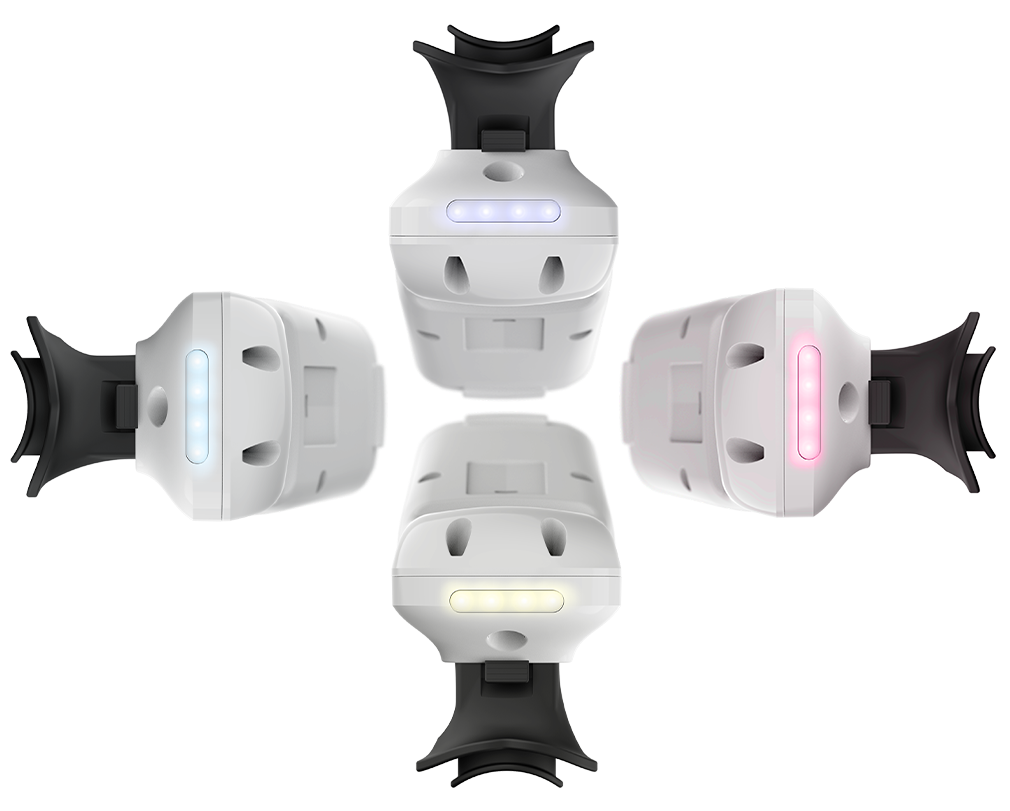
Each glow is the same device listening for a different signal. Oxygen, heart rate, ECG, breath, more than ten clinical vitals in all, read through the mouth in under a minute.
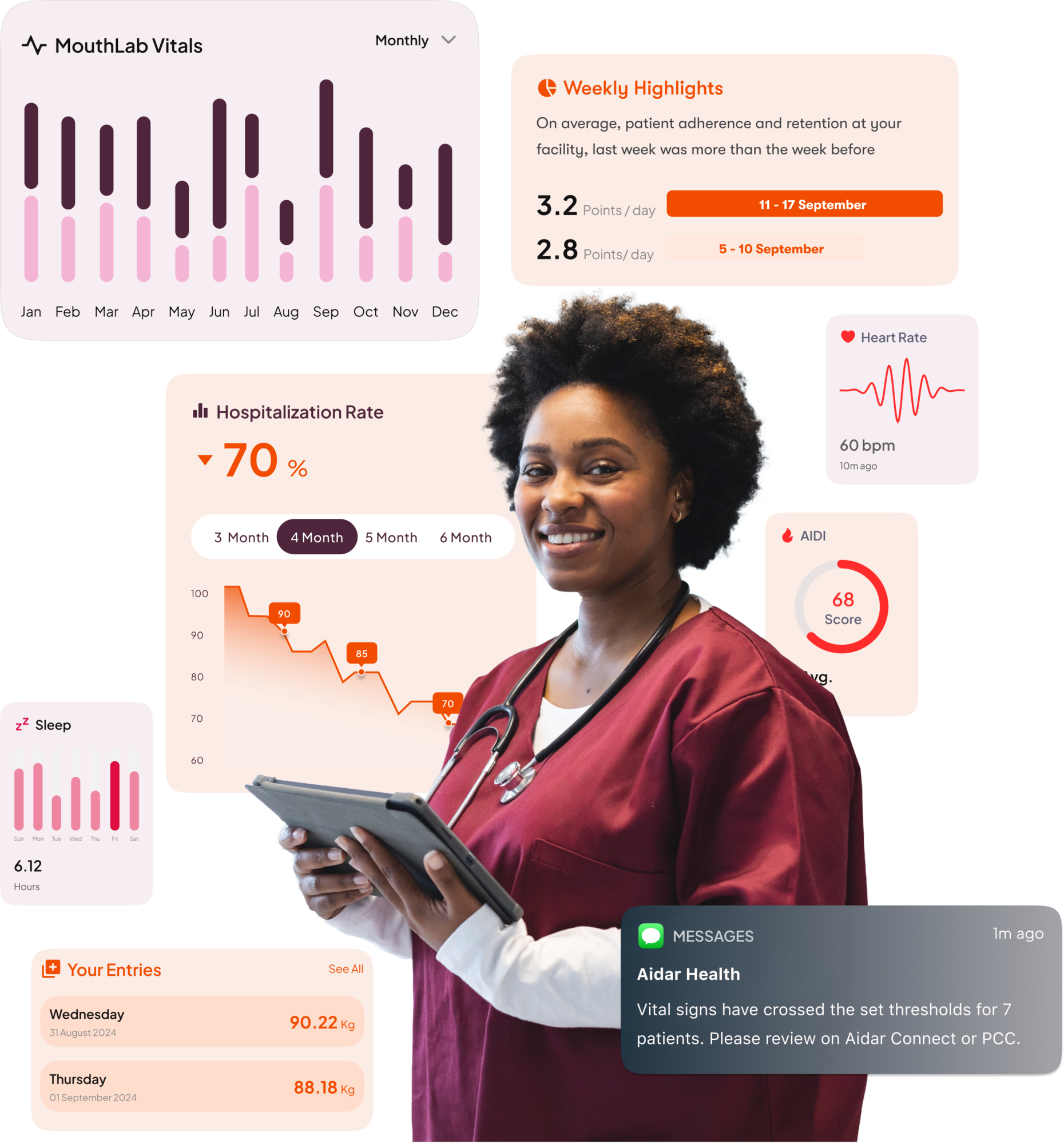
Adherence that climbs. Hospitalizations that fall. An alert that reaches the team the moment a reading crosses the line. When vitals come home every day, the trend becomes something a clinician can act on.
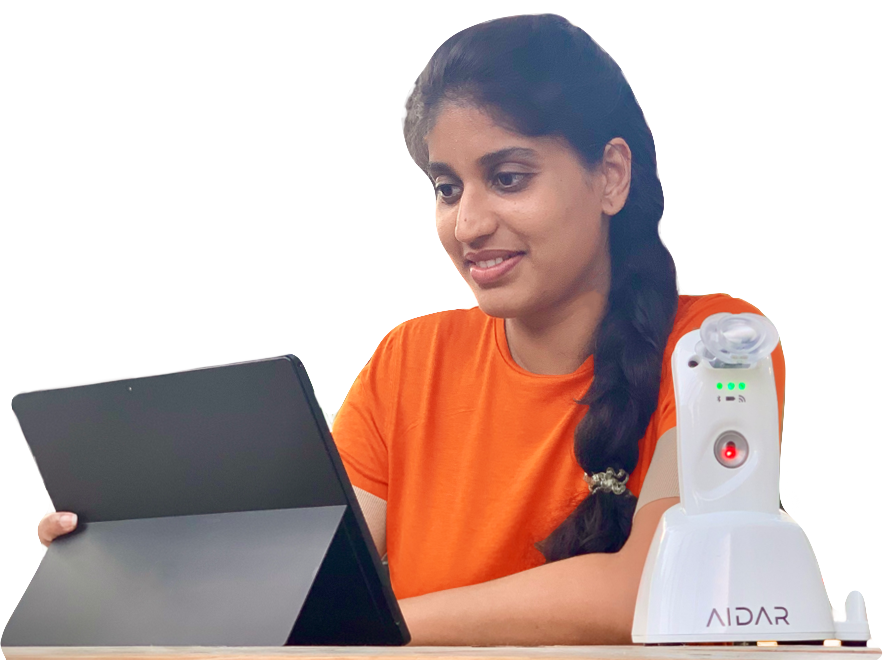
A morning reading at the kitchen table, a visit over video, the device resting in its dock until tomorrow. The clinic follows the patient home, and daily life barely has to pause for it.
MouthLab did not get here alone. A selection of the awards and recognition it has earned, each one judged against the field, and chosen.
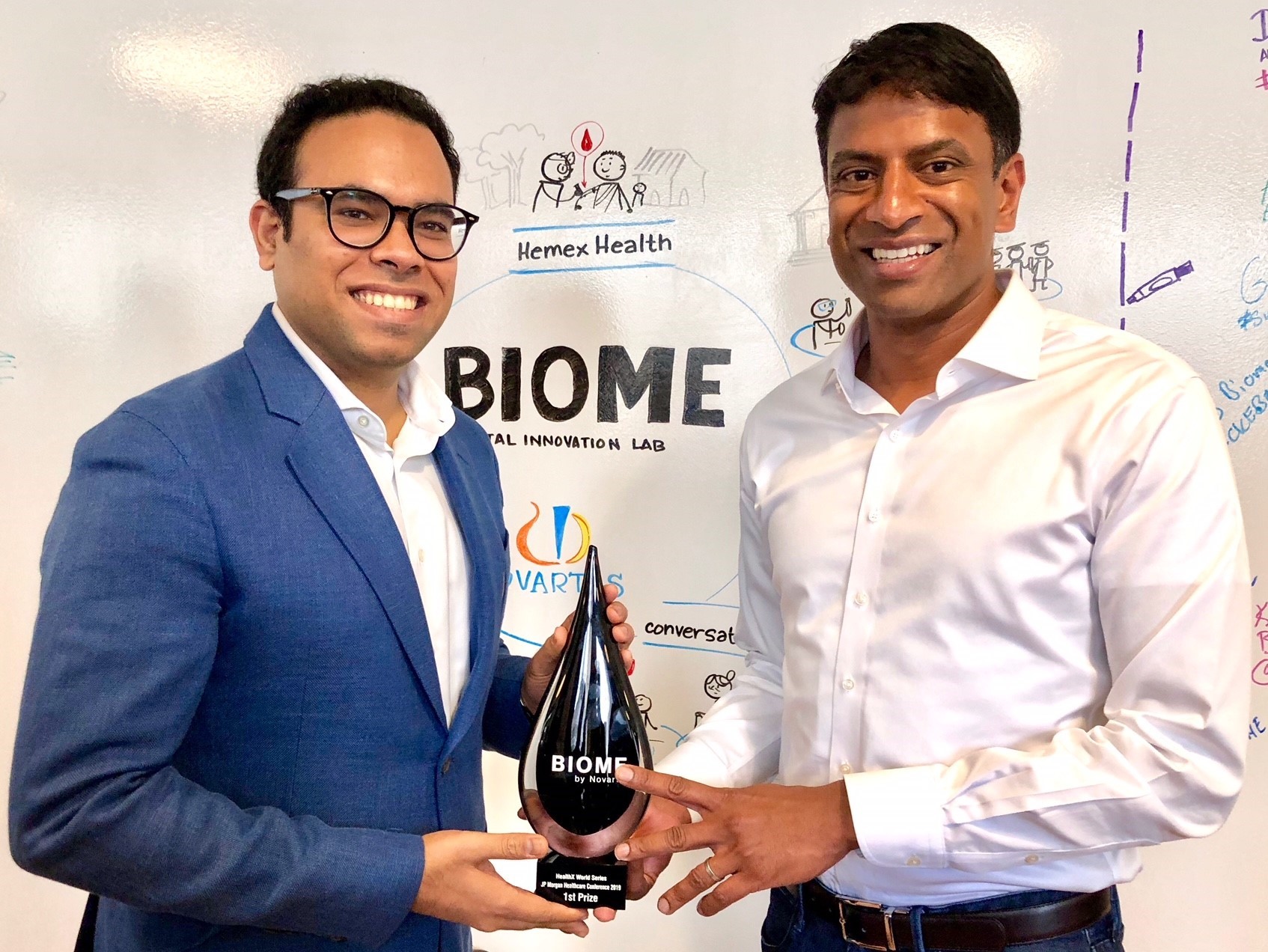


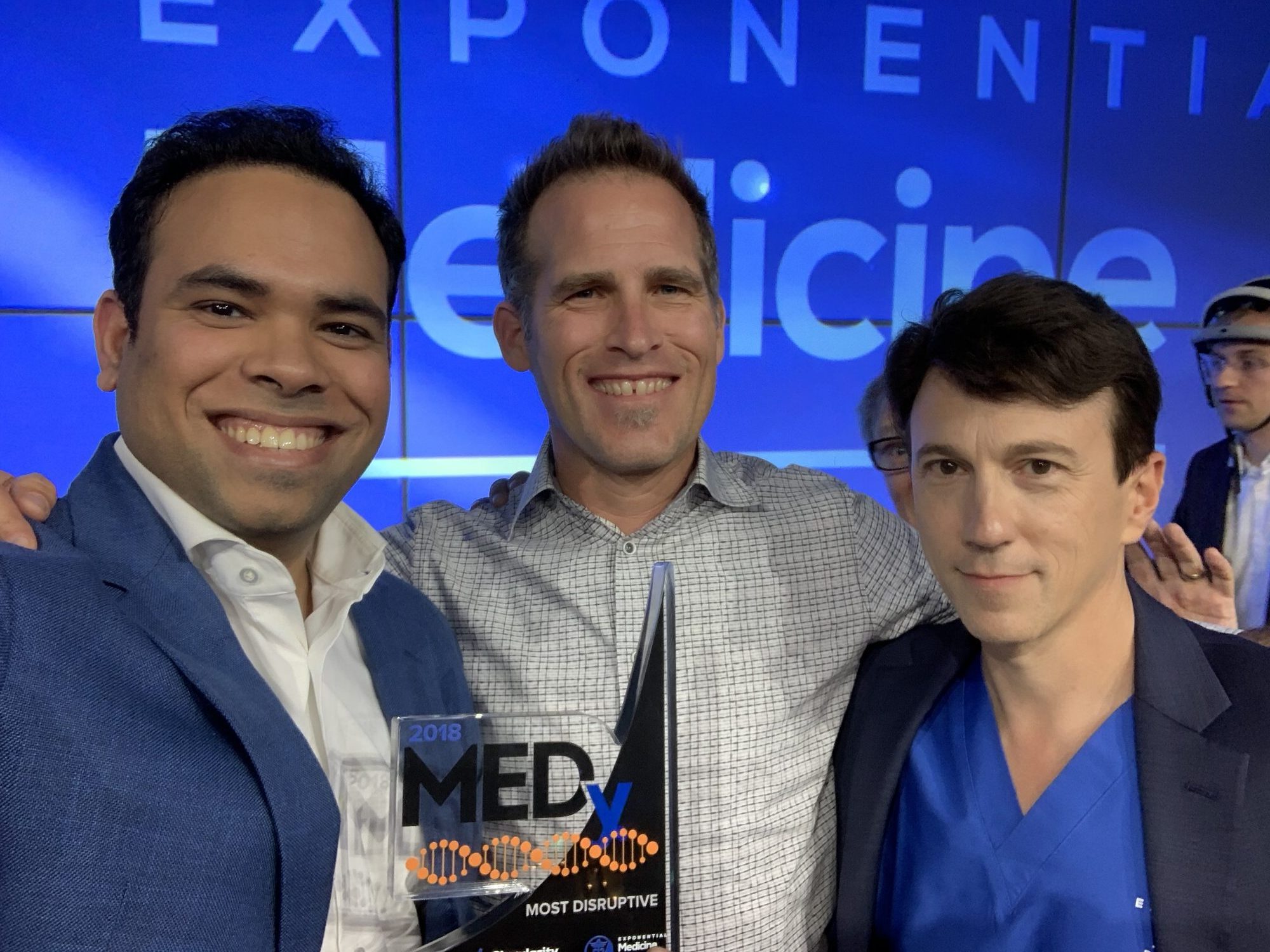

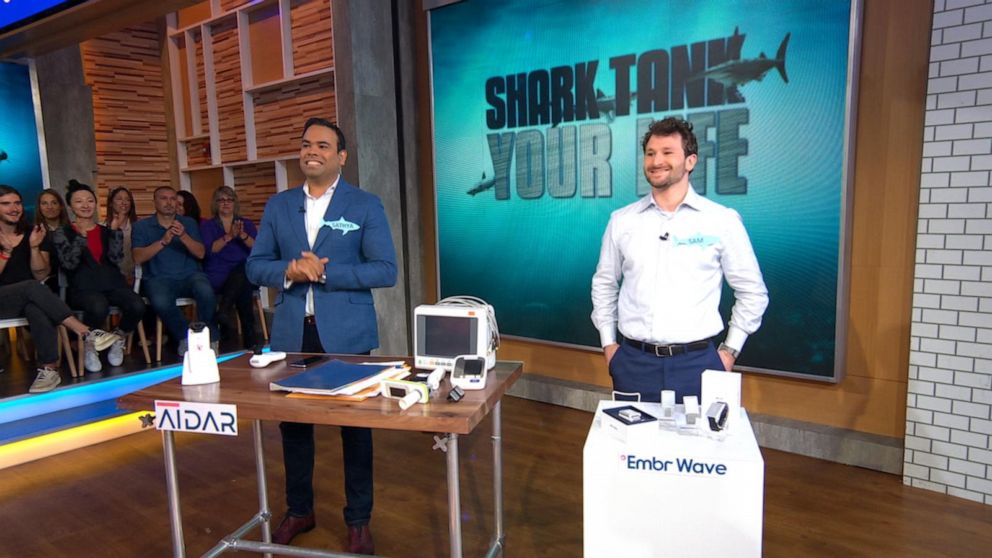
AIDAR Health, on the record